

After Hours Procedures
At TLC Pediatrics, we are dedicated to supporting your child’s health and your peace of mind, both during office hours and after hours.
Our regular office hours are Monday through Friday, 8:00 am – 11:45 am and 1:15 pm – 4:00 pm. During these times, our skilled nursing staff is always available to answer your medical questions. We also remain open through the lunch hour for prescription pick-ups, forms, and other paperwork.
For calls made after business hours (5:00 pm – 8:00 am), you will be directed to our voicemail system. The message will guide you to either:
- Call back during our regular hours for routine, non-urgent concerns, or
- Connect with our pediatric nurse triage service if your child is experiencing an urgent or emergency health issue.
We have partnered with a nationally recognized nurse triage service that is available at no cost to our patients. These highly trained nurses utilize protocols developed by Dr. Barton Schmitt, a renowned pediatrician who has authored over 100 books and articles on pediatric care. With these trusted guidelines, our nurses can help address urgent concerns such as:
- Severe feeding problems
- High fever, flu, or worsening illness
- Significant constipation or abdominal pain
- Breathing difficulties
- And other emergency pediatric issues
⚠️ Important: Please reserve after-hours calls for emergencies only. Routine questions, prescription refills, and paperwork requests should be handled during normal office hours. This ensures our triage nurses remain available for families who need urgent guidance.
🚨 If your child is experiencing a life-threatening emergency—such as severe breathing problems, seizures, or unresponsiveness—call 911 immediately or go to the nearest emergency room.
The triage nurses work closely with healthcare providers to ensure that every recommendation is consistent with the care philosophy of TLC Pediatrics.
Appointment Policy
Please note that effective June 1, 2024, our no-show and late cancellation fee is $25 per missed appointment. This policy applies to all patients, including self-pay, private insurance, and Medicaid. This helps us better serve all families by ensuring timely appointment availability.
Pediatric Dosing Charts
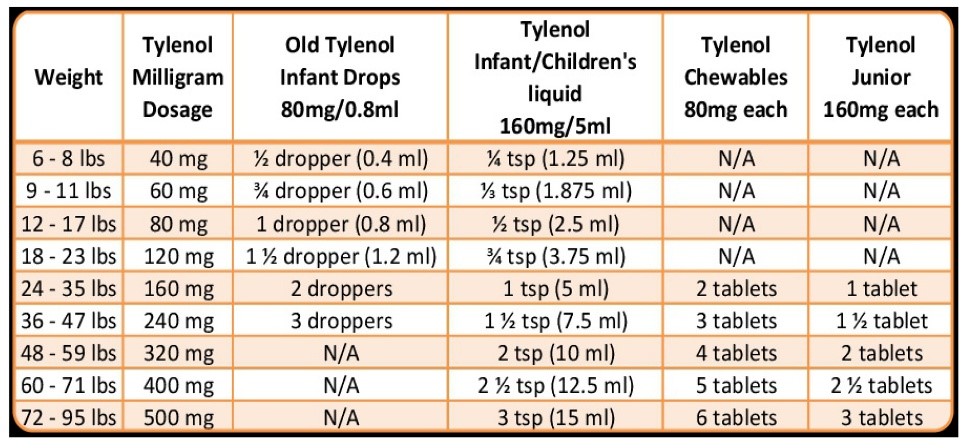
Acetaminophen (Tylenol) Dosing Chart
May give acetaminophen dose every 4–8 hours; no more than 5 doses in 24 hours
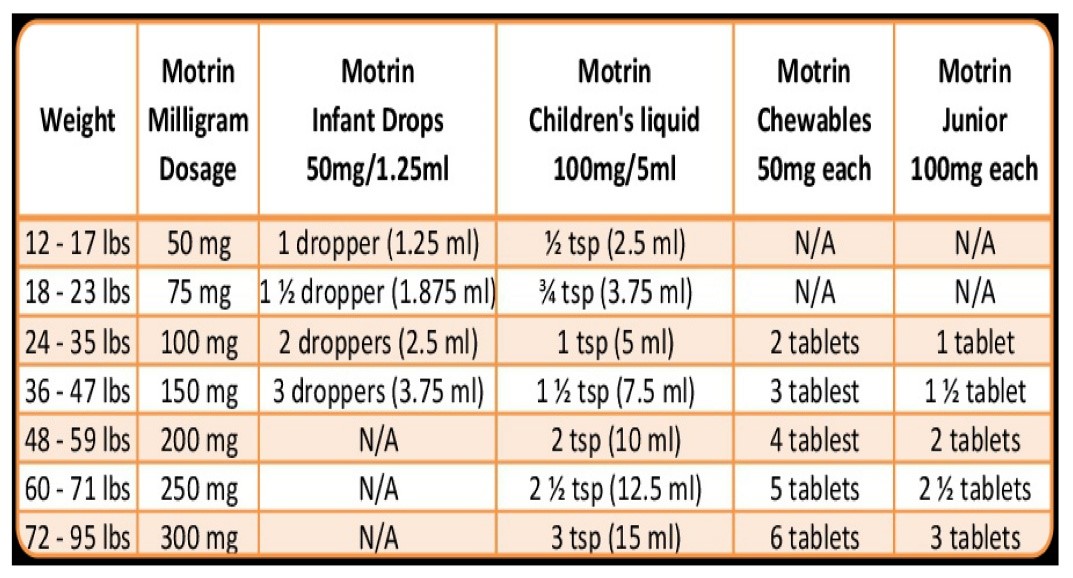
Ibuprofen (Motrin/Advil) Dosing Chart
For infants 6 months or older only**
May give ibuprofen dose every 6–8 hours
Benadryl Dosing Chart
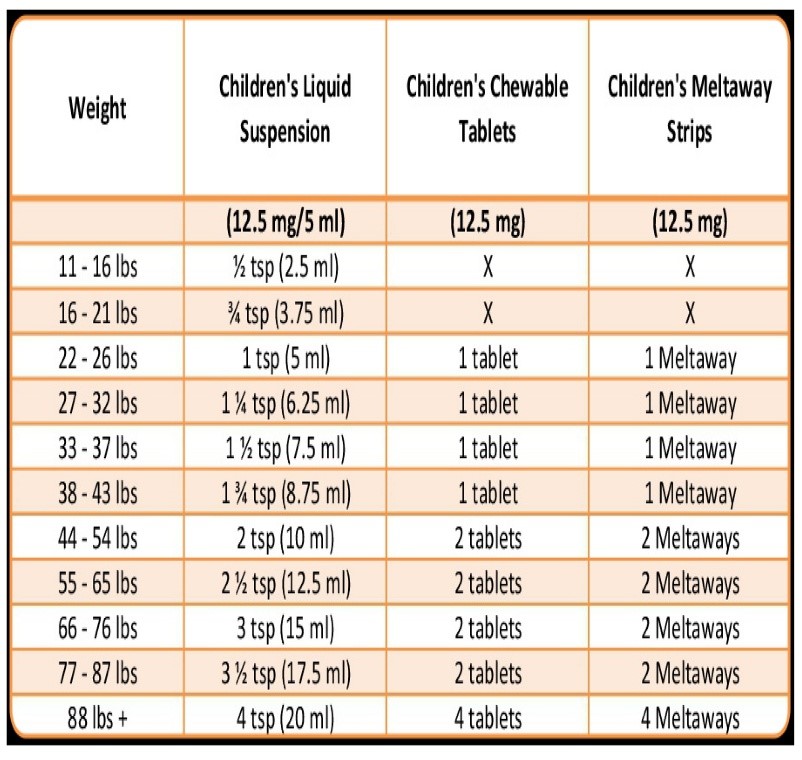
DIPHENHYDRAMINE (Brand Name: Benadryl)**
For infants 6 months or older only**
Benadryl is an antihistamine, which can be used to treat allergic reactions, allergies, and symptoms associated with coughs and colds. It can be given every 6 hours. Benadryl is available in Children’s liquid suspension, Children’s Chewable tablets, Children’s Meltaway strips, and adult tablets.
Children’s Vaccinations at TLC Pediatrics
TLC Pediatrics, we believe that every child deserves the best protection against preventable illnesses. Vaccinations are one of the safest and most effective ways to keep your child—and the community—healthy.
- Click here to read How to Prepare Your Child for Immunizations.
- Click here to view Our Philosophy on Vaccines.
From the first months of life through adolescence, vaccines protect children from diseases like measles, polio, meningitis, influenza, and whooping cough. These illnesses can have serious and even life-threatening complications, but with timely immunizations, most can be prevented.
We follow and use the vaccine schedule recommended by the American Academy of Pediatrics and the Centers for Disease Control for routine well-child immunizations and screening tests with minor modifications. For more information on the AAP’s guidelines. This ensures that your child receives protection when they need it most, at every stage of development.
Why Vaccines Matter
- Protect your child: Vaccines help prevent severe illness, hospitalization, and long-term health complications.
- Protect your family and community: Immunizations reduce the spread of contagious diseases, protecting infants, grandparents, and others who may be more vulnerable.
- Build lifelong health: Timely vaccination lays the foundation for a healthier future.
Our Commitment to Families
We know parents sometimes have questions about vaccines. Our team takes the time to listen, provide clear and evidence-based information, and give compassionate support so you can feel confident in your decisions. During visits, we use gentle techniques to make the process as comfortable as possible for your child.
For more information, we invite you to review:
At TLC Pediatrics, vaccines are more than just shots—they’re a promise to protect your child’s future health and well-being.
From the Centers for Disease Control website
- Recommended immunization schedule for children 0-6 years
- Recommended immunization schedule for children 7-18 years
- Information for parents who are concerned about vaccinations
Frequently Asked Questions (FAQ) About Vaccines
Are vaccines safe?
Yes. Vaccines are carefully tested for safety and effectiveness before they are approved. They continue to be closely monitored by the CDC and FDA for any side effects. The most common side effects—like mild fever or soreness at the injection site—are temporary and far less serious than the diseases vaccines prevent.
What if my child misses a vaccine?
Don’t worry—we can help your child get back on track with a catch-up schedule recommended by the CDC. Staying on schedule ensures your child receives protection at the right time, but if a dose is delayed, it’s never too late to catch up.
Can vaccines overload my child’s immune system?
No. Research shows that children’s immune systems can handle many antigens at once. The amount of immune “work” vaccines require is tiny compared to what children naturally encounter every day through eating, playing, and exploring.
Why does my child need vaccines if other children are vaccinated?
Even with high vaccination rates, diseases can spread quickly if communities let their guard down. Vaccinating your child protects them directly and helps maintain herd immunity, which shields those who are too young or medically unable to be vaccinated.
Do vaccines cause autism?
No. Extensive studies worldwide have shown no link between vaccines and autism. This myth has been thoroughly debunked. Vaccines are safe, effective, and vital for protecting your child’s health.
 Starting November 6, 2025, you can find us at our new temporary home:
 1301 S. Coulter, Suite 200, Amarillo, TX 79106